 New York Real Estate Lawyers Blog


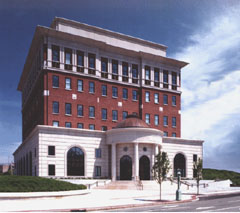 The Law Offices of Weiss & Weiss are located within walking distance of both New York State Supreme Court (Westchester County) and the United States District Court for the Southern District of New York (White Plains). Our firm handles cases in all forums, including these two Courts. This blog post will discuss the differences between litigating cases in state court as opposed to federal court.
Generally, most civil cases handled by our firm are filed in New York State Supreme Court. Despite its name, New York State Supreme Court is the lowest level of trial court in the State, and is used generally for litigating cases where the amount in dispute is greater than $25,000.00. Each county in the State has its own Supreme Court, so, for the “downstate” portion of New York State, there are Supreme Courts in each of the five boroughs, named for the counties in which they are located (New York, Kings, Queens, Bronx, and Richmond), as well as Nassau, Suffolk, Westchester, and Putnam). The Westchester Supreme Court is located at 111 Dr. Martin Luther King Boulevard in downtown White Plains, a few blocks from Weiss & Weiss.
In order to “make a federal case out of it,” there are certain requirements that must be met to file a case in United States District Court for the Southern District of New York. The Southern District has Courthouses in downtown Manhattan, as well as downtown White Plains. All bankruptcy cases are filed and heard in Federal Court. Therefore, when a debtor files for bankruptcy, our firm is able to file a bankruptcy claim in the White Plains Federal Courthouse on behalf of any creditor that our firm represents.
 Our firm often fields inquiries from clients regarding residential lease situations. One common question relates to the right to renew an existing lease. This blog post will explain certain conditions which may apply to the renewal of a lease after it expires.
 A
A 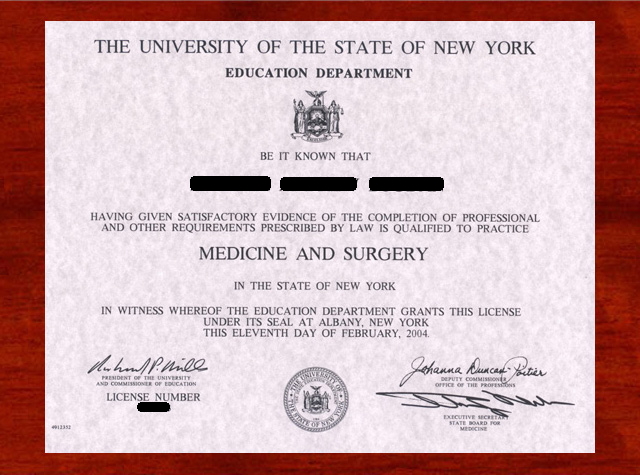 Our firm often interacts with other professionals, such as doctors, architects, and accountants, in the course of our practice. This can happen in several ways. The first is when such services are needed by our clients in the course of litigation. For example, an architect may be needed to evaluate whether a property can be divided in separate parcels in a partition action. Courts will consider this separation to be the preferred remedy, so the expertise of an architect is often needed to provide their professional judgment on whether the property can be subdivided.
 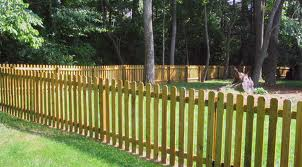 Fences can be seen enclosing many properties in New York State, but are often not within the legal property line. When a fence is erected, a property owner should have a staked survey prepared and the fence installed consistent with the property line as shown on said survey. Of course, many people do not know that surveying is a prudent means by which to install a fence or do not wish to incur this expense. As a result, many fences may be installed over another person’s property line. This may not be discovered until a neighbor attempts to sell his property and the neighbor’s buyer conducts a title search and survey, discovering that the selling party is out of possession as to a portion of his property. If the portion that is out of possession is less than six inches, most title companies will insure such an exception to coverage. If the out of possession portion is more than six inches, the selling party will need to request an affidavit from the encroaching neighbor stating that they know their fence encroaches beyond their property line and that they make no legal claim to the encroaching portion. This affidavit will allow the title company to insure as if the encroachment were less than six inches.
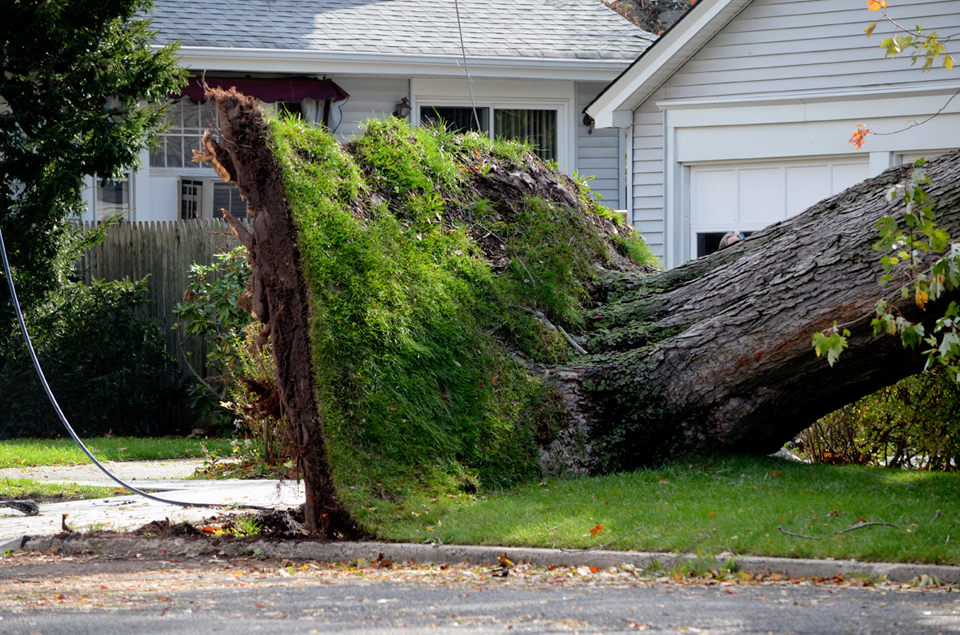 Recent extreme weather conditions in the New York metropolitan area have caused great hardship for many of its residents. We hope that those individuals and families who suffered damage or destruction of their residences are in the process of recovery. This blog post will discuss some of the legal issues which may arise from some of the results of the “super-storm.”
  One of the main purposes behind the formation of a corporation in New York State is to insulate the principals of the corporation from personal liability for the corporation’s debts and obligations. The general law is that once a corporate is legally formed, and the business observes the specific requirements for corporate formation and structure, such as the filing with the