 New York Real Estate Lawyers Blog


 Many people who pass away also leave behind the place in which they resided. The housing could be a rental apartment, a cooperative or condominium unit, or a house. The deceased may not necessarily have resided in the property immediately before death if they went to assisted living or a nursing home. This blog post will address the legal and practical matters arising from housing of the deceased.
If the person lived in a rental apartment, it remains to be determined whether the rental was rent-regulated or not. A rent-regulated apartment could be either rent controlled or rent stabilized and is generally found in New York City. If a surviving family member wants to continue residing in the rent-regulated apartment, he may wish to allege that he has succession rights and has the legal right to continue to live in the apartment. When the unit is not rent-regulated, the surviving family member may wish to negotiate a surrender of lease and return of any security deposit, in exchange for the prompt removal of the possessions of the deceased. Most landlords do not aggressively pursue eviction in this scenario, if the surviving family member in good faith is acting reasonably efficiently in clearing out the apartment. However, if the death occurred in the apartment and was under gruesome circumstances, the landlord may seek to have out-of-the-ordinary cleaning expenses paid by the family.
When the departed individual lived in a cooperative or condominium apartment, monthly maintenance or common charges will continue to accrue. The representative of the estate should request a delay in the submission of any default notices, pending the representative’s access to assets as needed to make such payments. So long as the cooperative or condominium board is convinced that the representative has duly and promptly applied for Letters Testamentary or Letters of Administration, additional time to obtain access to assets will usually be granted. In no event do we recommend that the estate representative pay such charges from her own personal account.
 Many parties to real estate transactions focus not only on the house or the
 Even Halloween gives rise to legal issues that may pertain to our blog readers. This blog post will address haunted houses, zombie houses, ghosts and other scary situations from a legal perspective.
 Often in a residential real estate transaction, unpermitted improvements to a house are present. The seller may find that purchasers are unwilling to enter a transaction with these conditions. The buyer may not want the responsibility for obtaining permits for work done by others.
 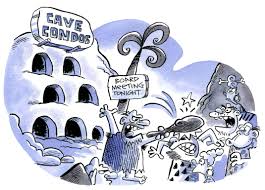 Attorneys provide valuable legal services on behalf of cooperative and condominium boards. Some buildings with fewer than ten units and without disputes have managed without an attorney representing the board. Other buildings may continue with the attorney who originally represented the sponsor. The purpose of this blog post is to describe the services that can be provided by an attorney representing a cooperative or condominium board.
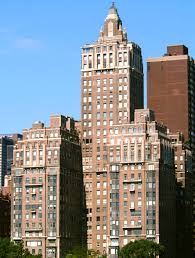 Our readers may be familiar with a cooperative apartment building located in Manhattan by the name of River House. This building is known not only for its distinctive classic architecture and regal location, but also by its stringent admissions standards for purchasers. It has been well known throughout the New York real estate community that the River House has declined the purchase applications of numerous famous people and persons with seemingly substantial assets. This culture has resulted in apartments being listed for sale for years, because potential purchasers cannot get approved by the board. Overly rigorous standards hurt all residents, as apartments will not sell as readily.
  A recent article in the
  In a
In a  Memorial Day weekend is eagerly anticipated by many of our readers, especially this year after the harsh winter that we endured. Fortunate travelers expect to enjoy their vacation homes this weekend. As you head out for the weekend,