 New York Real Estate Lawyers Blog


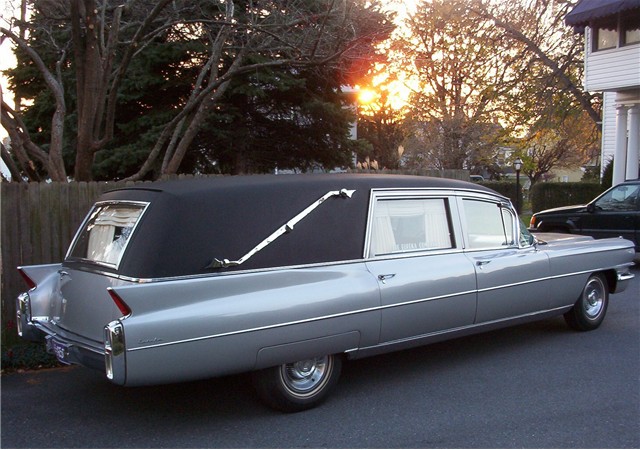 Shortly after the death of a loved one, survivors often contact us with respect to our legal representation of the estate . This post discusses the practical steps recommended for survivors. There are multiple variables to be considered, such as whether the deceased made a valid Will, whether there are disputes among surviving family members, property owned and the like. While we advise clients not to make impulsive decisions soon after the death, there are particular matters that deserve immediate attention.
Securing property and personal possessions need to be high on a New York estate administrator’s checklist. There are unfortunate instances of people who read obituaries to determine the time and date of the funeral, so that they can enter the deceased person’s home to take valuable possessions. Likewise, if the survivors live out of state or the surviving spouse is ill, the home needs to be secured from vandals and thieves. Even family members who are estranged may seek entry into the home to obtain jewelry and valuable heirlooms. Domestic workers and caregivers may already have a key, gain entry to the home and leave with the family’s treasured belongings. The solution to these problems is for the estate representative to change the locks to the home and install or use an alarm system if possible. Even notifying the local police and requesting increased patrols may be prudent.
Other tasks to be completed quickly include having the mail held or forwarded and suspending newspaper and magazine deliveries. The property should be maintained as is customary, with regular landscaping and snow removal. Credit card accounts should be closed to prevent fraudulent transactions. Other accounts such as those with utility and telephone service providers should be terminated as soon as possible. Government agencies such as the Social Security Administration and Department of Veterans Affairs should be advised, so that survivor benefits commence as soon as possible. Applications for death benefits should be made with employers. Life insurance carriers should be notified so as to expedite claims. Health insurers should be advised of the death so that premiums do not continue to be charged. A lease for an apartment or other rental property should be surrendered as soon as practicable.