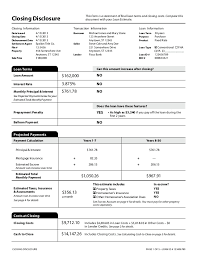
 Our readers who have attended residential real estate closings are familiar with the HUD Settlement Statement (the “HUD”). This document is meant to clearly identify all of the financial figures in a residential real estate transaction. The HUD is a disclosure document required when a mortgage is obtained from an institutional lender (such as Chase, CitiMortgage or Wells Fargo). The borrower is provided with this form either immediately before or during the closing in order to identify the real estate tax adjustments with the seller, costs of making the loan (such as origination fee, application fee, credit report fee and appraisal fee), real estate tax and insurance escrows established by the lender (including the breakdown of the number of months collected at the closing to be held in reserve), itemization of title charges (such as the insurance premium, search fees and recording fees) and the like. The HUD follows other well-known disclosure documents such as the Good Faith Estimate and Truth-in-Lending Disclosure delivered to the borrower before the closing.
However, the HUD as we know it may soon be disappearing from our closings, with certain exceptions discussed below. Beginning with applications for mortgage loans made after August 1, 2015, the Consumer Financial Protection Bureau will be requiring a new series of disclosure documents. Lenders and their attorneys may encourage loan applications to be made before August 1, so that they only need to comply with the disclosure regulations with which they are familiar.
Rest assured, the basic content of the new disclosures and the intent behind them will remain the same. The disclosures are meant to integrate the first disclosure (Loan Estimate) with the last disclosure (Closing Estimate). The Loan Estimate form will replace the Good Faith Estimate and Truth-in-Lending Statement. It needs to be delivered three business days after the loan application is made. Some of the data on the Loan Estimate will be precisely the same on the Closing Estimate, so that the borrower will be familiar with the financial terms of the transaction. The Loan Estimate will be likely to please borrowers, in that it will disclose information that our clients have been seeking from the early stages of the transaction: is there a rate lock and for how long, what is the interest rate, what are the monthly payments expected, is there a prepayment penalty and most significantly, how much cash will be needed to close. This allows borrowers to take the steps needed to liquidate assets as needed to raise the funds needed to close. In the past, some people have been unduly surprised by the amount of the cash needed to close and have been unprepared.



 After another harsh winter in New York, many of us are looking forward to getting away this Memorial Day weekend. Those of us who are driving may have acquired the vehicle from an estate. This post will address estate issues as they pertain to cars and other vehicles.
 Parties to real estate transactions often ask
 News outlets have
  A
A 

 In the New York metropolitan area, the residential real estate market is often seasonal. During the holidays between Thanksgiving and New Years Day, most sellers do not list their properties for sale or may remove their home from active listing status. During the winter months, most buyers are reluctant to be exposed to the cold weather and the snow to view properties. Fortunately, all of this changes with the approach of spring. The inventory of homes increases as more properties are listed and additional purchasers are looking to enter transactions. Both parties to transactions, who will experience increased competition as inventory increases, should take the steps described in this post so as not to miss the spring season.
 Many people who pass away also leave behind the place in which they resided. The housing could be a rental apartment, a cooperative or condominium unit, or a house. The deceased may not necessarily have resided in the property immediately before death if they went to assisted living or a nursing home. This blog post will address the legal and practical matters arising from housing of the deceased.