


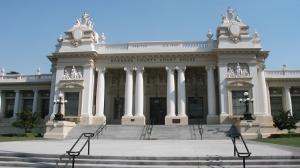
 Our firm handles many cases in which the client is being sued for foreclosure of their property. In general, a foreclosure lawsuit involves a mortgage loan which has been recorded as a lien against real property, such as a house or condominium unit. Please note that cooperative apartments involve ownership of shares in the cooperative corporation, and therefore are not subject to the judicial foreclosure process.
Due to the large volume of foreclosures in New York in recent times, and the desire to protect homeowners, a law was passed in New York State several years ago requiring mandatory settlement conferences in residential foreclosure actions. This requirement does not apply to commercial foreclosures, nor to situations where the owner of the property being foreclosed does not reside at the property.
The purpose of this law is to attempt to resolve foreclosure cases before extensive litigation occurs. The law requires that, after the party foreclosing (the lender) files proof with the Court that the borrower was served with the foreclosure lawsuit, the Court must hold a mandatory settlement conference within sixty (60) days of such filing. In general, the Court will issue a written notice to all parties advising them of the date, time, and location of the settlement conference. It is important to advise your attorney if you receive such a written notice, so that they will be able to attend the conference on your behalf.
 Many parties to real estate transactions focus not only on the house or the
  Every person who dies, whether wealthy or not, will owe money. Whether there is a credit card balance outstanding or estate taxes due to the State of New York, most people will leave this world with a financial obligation of some type. The questions to be addressed in this blog post involve how the fiduciary of the estate should address such debts and whether the fiduciary is personally responsible for the debts. Also, should debts of the deceased be deducted from estate proceeds before distribution to beneficiaries?
 One of the most frequently asked questions when our firm meets with a new client relates to the awarding of attorney’s fees. Many of our landlord-tenant clients ask us whether they can recover their attorney’s fees in Court from the other party in the litigation. The answer to this question is not a simple one, and this blog post will answer under what circumstances a party may recover their attorney’s fees from the other party, whether in a landlord-tenant litigation, or other type of case.
 First, we would like to wish all followers of our blog a happy and healthy 2015. We look forward to continued successful legal outcomes for all of our clients in the New Year.
  Maurice Sendak was a beloved children’s book author and illustrator whose death two years ago has
 A
A  Board members of cooperative and condominium buildings are hard working volunteers who are subject to what may be undeserved criticism. In other cases, a board may be treating a particular unit owner unfairly or there may be a general sense among neighbors that the board is doing a poor job.
  Even Halloween gives rise to legal issues that may pertain to our blog readers. This blog post will address haunted houses, zombie houses, ghosts and other scary situations from a legal perspective.